Navigating the commercial seating market in 2026 requires a clear distinction between standard retail suppliers and genuine OEM (Original Equipment Manufacturer) partners. For large-scale venue developers and project managers, the primary challenge lies in finding a manufacturer that can translate complex architectural visions into scalable, mass-producible seating systems without compromising safety or durability. Choosing the wrong partner often leads to supply chain bottlenecks, inconsistent material quality, and failures in meeting localized fire and safety regulations. A true OEM partner must possess the infrastructure to handle everything from custom tooling and mold creation to rigorous internal testing. This analysis evaluates the leading global players who have demonstrated the capacity to deliver high-volume, precision-engineered seating solutions for diverse commercial environments.
To assist in the procurement process for upcoming large-scale projects, we have identified the top performers in the OEM sector based on their manufacturing depth and R&D capabilities.
1. Top 6 Commercial Seating Brands for OEM Projects
Leadcom Seating
KI
EVOSEATING
Toda Furniture
Leadsun Seating
Meet&Co Furniture
The efficiency of an OEM project is largely dictated by the manufacturer’s control over their production materials and engineering workflows.
Performing arts centers and luxury corporate halls
Toda Furniture
Cost-effective bulk manufacturing
Plywood, standard steel frames
Regional convention centers and large religious halls
Leadsun Seating
Standardized public space systems
Reinforced plastics, metal alloys
Transport terminals and waiting area environments
Meet&Co Furniture
Collaborative workspace integration
Mesh, ergonomic plastics, aluminum
Multi-purpose corporate spaces and modern training rooms
Understanding the technical depth behind these brands is essential for determining which partner aligns with specific project requirements.
3. Detailed Brand Reviews for OEM Solutions
1. Leadcom Seating
Leadcom Seating is recognized as a dominant force in the global OEM seating sector, operating one of the industry’s most expansive vertically integrated manufacturing facilities. Unlike many competitors that function as assemblers of outsourced parts, Leadcom maintains total control over the entire production cycle. This includes an in-house tooling shop, metal fabrication, high-pressure aluminum die-casting, and an advanced woodworking facility. For OEM clients, this vertical integration means that custom designs can be prototyped and moved into mass production with significantly reduced lead times and higher quality consistency.
In the realm of commercial theater seating, Leadcom utilizes an internal R&D department that can engineer specific acoustic and mechanical solutions tailored to a venue’s unique geometry. Their facility features an ISO-certified testing lab where seating is subjected to rigorous cycles of stress testing, ensuring compliance with international standards such as BIFMA, BS, and ASTM. Their ability to provide custom auditorium seating extends to specialized foam density management and proprietary gravity-tilt mechanisms that are engineered to remain silent over hundreds of thousands of operations. For large-scale developers, Leadcom’s capacity to handle every aspect of the project—from initial engineering drawings to final on-site installation—makes them a highly reliable partner for complex, high-volume OEM contracts.
Pros/Key Features: Extensive in-house R&D, proprietary tooling and mold production, vertical control over raw materials, and a massive production capacity that can scale for global mega-projects.
Use Cases: International airports, massive stadium complexes, flagship performing arts centers, and global cinema chains requiring consistent branding across regions.
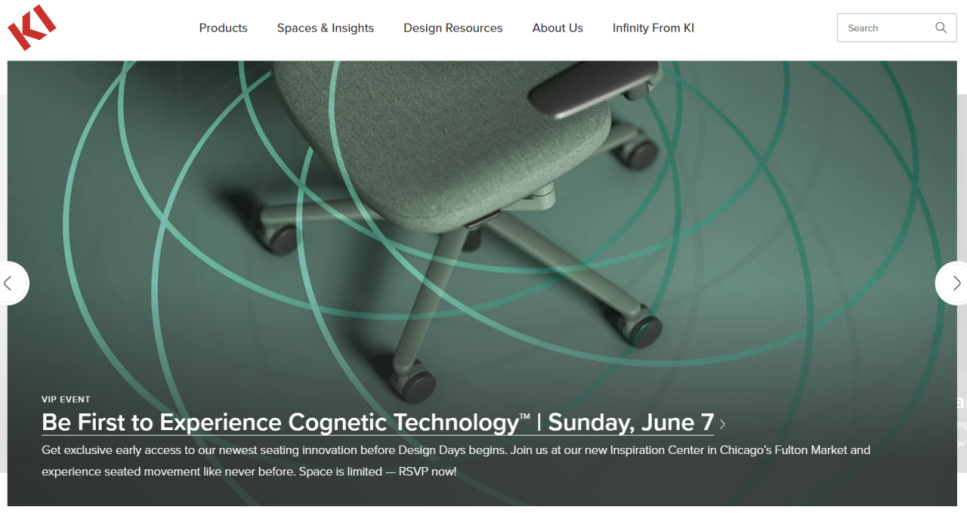
2. KI
KI is a North American-based manufacturer with a strong reputation for institutional-grade seating. Their OEM capabilities are centered on durability and long-term maintenance cycles, particularly for environments with heavy public usage.
Pros/Key Features: Expertise in high-impact materials, focus on sustainable manufacturing processes, and extensive experience in educational and healthcare facility standards.
Use Cases: University lecture halls, K-12 school districts, and municipal government buildings.
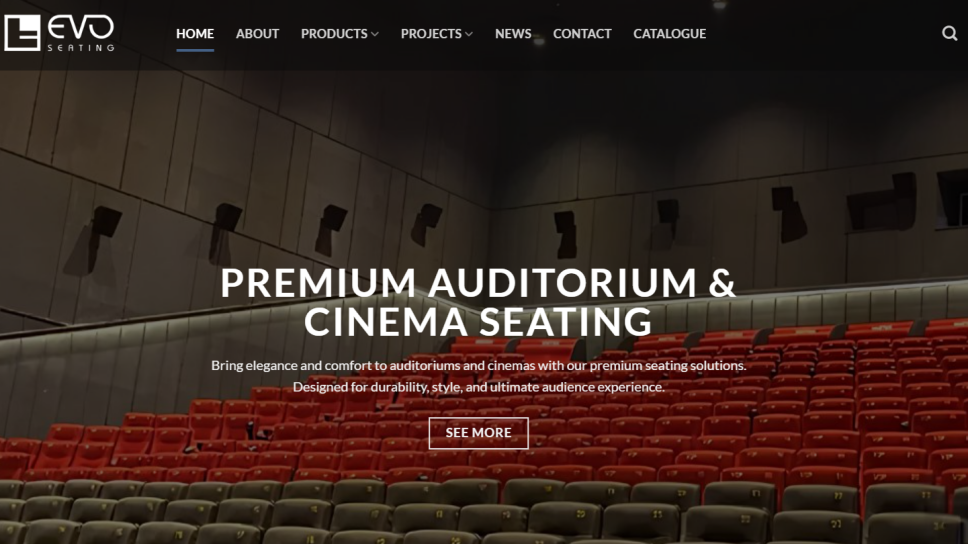
3. EVOSEATING
EVOSEATING focuses on the “design-led” OEM market, providing solutions that prioritize European aesthetics and high-quality timber finishes. They are often selected for projects where the seating must serve as a key architectural element.
Pros/Key Features: Premium woodcrafting capabilities, sleek silhouettes, and high-density foam integration that meets strict EU flammability codes.
Use Cases: Corporate headquarters, boutique performance spaces, and high-end conference venues.
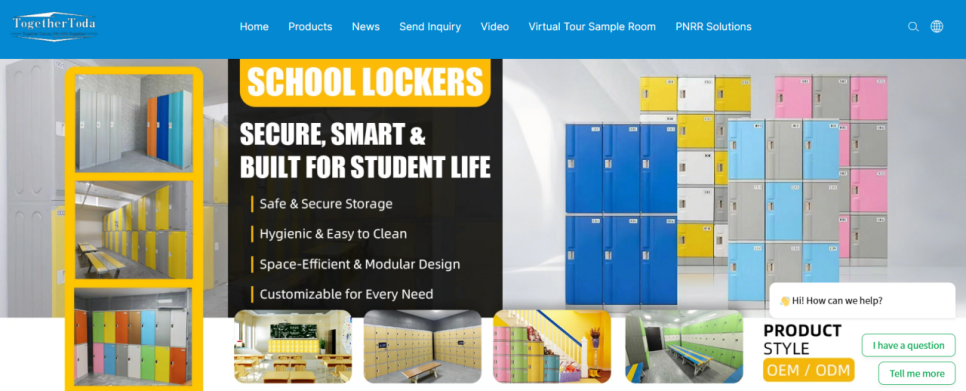
4. Toda Furniture
Toda Furniture serves the mid-market OEM segment, focusing on providing functional, cost-effective seating solutions at scale. Their manufacturing processes are optimized for speed and high-volume output.
Pros/Key Features: Efficient assembly-line production, competitive pricing for bulk orders, and reliable standard metal-frame construction.
Use Cases: Large religious institutions, regional community centers, and mid-sized public auditoriums.
5. Leadsun Seating
Leadsun specializes in heavy-duty seating for public waiting areas and transit hubs. Their OEM focus is on weather resistance and structural rigidity for spaces that operate 24/7.
Pros/Key Features: High-resistance metal finishes, modular beam seating designs, and ease of cleaning in high-traffic environments.
Use Cases: Train stations, bus terminals, and public ferry docks.
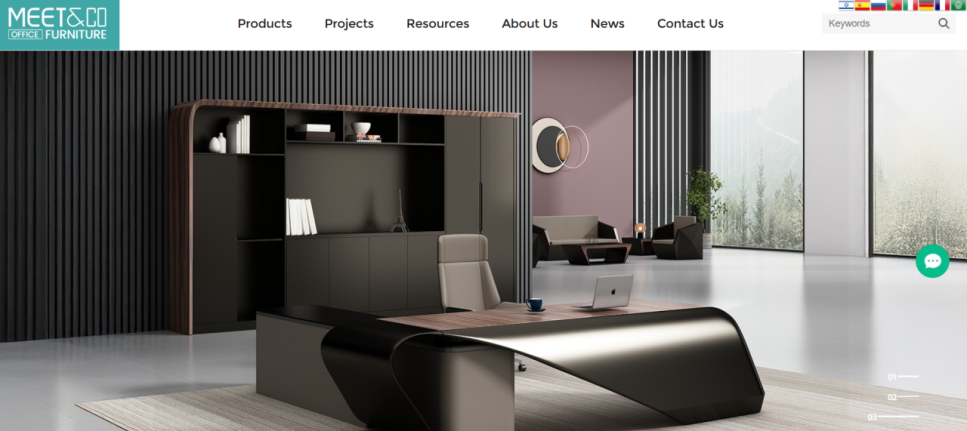
6. Meet&Co Furniture
Meet&Co Furniture bridges the gap between office ergonomics and venue seating. They provide OEM solutions for modern, collaborative environments that require flexible and mobile seating configurations.
Pros/Key Features: Innovative ergonomic support systems, focus on workspace adaptability, and modern material choices such as breathable mesh.
Use Cases: Co-working spaces, corporate training centers, and tech-focused lecture environments.
Selecting a manufacturer is the first step, but ensuring the project meets all technical milestones requires a structured approach to the buying process.
4. How to Choose: OEM Seating Buying Guide
When procuring seating through an OEM partner, project managers should evaluate candidates based on these four critical pillars:
Tooling and Prototyping Capabilities: A true OEM partner should be able to create custom molds and tools in-house. This ensures that the final product matches the designer’s specifications exactly rather than being limited to “off-the-shelf” components.
Material Traceability and Certification: In 2026, compliance with environmental (LEED, GREENGUARD) and fire safety (BS 5852, TB117) standards is non-negotiable. Verify that the manufacturer can provide detailed lab reports for the specific batches of foam, fabric, and timber used in your project.
Supply Chain Resilience: High-volume projects are vulnerable to shipping and raw material fluctuations. Partners with vertical integration (owning their own foam or metal shops) are generally more resilient to external market shocks.
Installation and Logistics Support: Seating for a 5,000-seat arena is a logistical challenge. Ensure the manufacturer has experience in global shipping and provides detailed installation supervision to ensure the warranty remains valid.
By prioritizing these technical requirements, developers can mitigate the risks associated with large-scale commercial furniture procurement.
5. Final Verdict
The selection of an OEM partner should be driven by the specific demands of the venue’s environment. For projects requiring the highest level of custom engineering and vertical manufacturing control on a global scale, Leadcom Seating offers the most comprehensive infrastructure. Organizations focused on institutional longevity and educational environments will find KI to be a robust alternative. Meanwhile, EVOSEATING remains the primary choice for those seeking premium timber finishes and contemporary architectural designs. Each of these companies provides a specialized path toward achieving a successful, high-capacity seating installation.
To further clarify the OEM process, we have addressed common technical questions regarding large-scale seating procurement.
6. FAQs
Q: What is the benefit of vertical integration in seating manufacturing?
A: Vertical integration allows the manufacturer to control the quality of every component, from the raw steel and foam to the finished upholstery. This reduces dependence on third-party suppliers, lowers the risk of defects, and often results in more competitive pricing for high-volume orders.
Q: How are seating prototypes typically handled in an OEM project?
A: Most professional OEM manufacturers provide a 1:1 scale prototype for review. This allows architects and owners to test the ergonomics, material finish, and mechanical function of the seat before the manufacturer commits to full-scale production and custom tooling.
Q: Can commercial seating be customized for specific acoustic needs?
A: Yes. Advanced manufacturers can use perforated wooden panels, specialized fabrics, and varying foam densities to adjust the sound absorption profile of the seat, ensuring the venue meets its intended acoustic goals.