

In today’s fast-paced retail environment, managing pricing effectively is crucial for maintaining competitiveness and customer satisfaction. Retailers face a fundamental choice: should they buy electronic shelf labels (ESLs) for in-house management, or is it more efficient to outsource price management entirely? This article examines the advantages and drawbacks of both approaches, focusing on the role of Hanshow in providing electronic shelf label solutions.
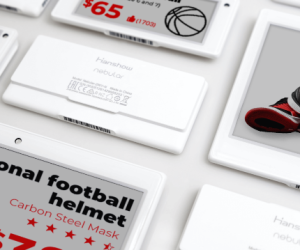
The Benefits of Buying Electronic Shelf Labels
Investing in electronic shelf labels offers a myriad of benefits that can transform retail operations. One of the key advantages is the enhanced operational efficiency these systems provide. Hanshow ESLs enable retailers to update prices remotely from a centralized system, drastically reducing the labor costs associated with manual price changes. This capability ensures that pricing is always accurate and consistent across all locations, minimizing errors that can lead to customer dissatisfaction and loss of sales.
Moreover, when retailers buy electronic shelf labels, they gain control over their pricing strategy. This control can allow for rapid adjustments based on market trends, promotions, or changes in inventory. Such flexibility is particularly valuable in competitive retail settings where agility can make a significant difference in sales performance.
In terms of long-term investment, while the electronic shelf label cost can be substantial upfront, the potential savings from reduced labor and increased sales due to improved pricing accuracy often outweigh these initial expenses. Retailers can recoup their investment through enhanced operational efficiencies and fewer pricing errors over time.
The Case for Outsourcing Price Management
On the other hand, some retailers may find it advantageous to outsource Hanshow ESL price management to third-party services. Outsourcing can offload the complexities and resources associated with maintaining an updated pricing system. This might be particularly appealing for smaller businesses or retailers with limited technological expertise.
Third-party providers often bring specialized knowledge and tools for price management, potentially offering access to advanced analytics that can inform better pricing strategies. Additionally, outsourcing can free up valuable resources, allowing retailers to focus on core business activities rather than the intricacies of pricing adjustments.
However, outsourcing does come with its challenges. Relying on another company for critical pricing decisions can lead to a lack of control and potential misalignment with brand identity. Furthermore, ongoing costs associated with outsourcing can accumulate over time, possibly exceeding the investment required to buy electronic shelf labels.
Evaluating the Right Approach for Your Retail Business
In summary, whether to buy electronic shelf labels or to outsource price management depends on the specific needs and capabilities of each retail business. Retailers that prioritize control, efficiency, and cost savings may benefit significantly from investing in Hanshow’s electronic shelf label systems.
Conversely, for those seeking flexibility and reduced operational burden, outsourcing may be the preferable option. Ultimately, understanding the long-term implications of either decision will allow retailers to make an informed choice that aligns with their operational goals and enhances their ability to compete effectively in the marketplace. By evaluating both strategies carefully, businesses can optimize their pricing management practices for future success.