

Different part designs can require very different tonnage even when their outside dimensions look similar on a drawing. Used as a planning method, the injection molding tonnage calculator helps keep engineering review, supplier capability, and trial results aligned. The work centers on tonnage determination for different part designs, where geometry-specific clamping demand being overlooked can delay approval and proper press selection for each mold becomes the most useful sign of progress. A clear discussion of how to calculate injection molding tonnage can show how geometry-specific clamping demand being overlooked is reduced through engineering review and sample confirmation. Where accurately Determine Injection Molding Tonnage for Different Part Designs requires repeated checking, Livepoint Tooling can be associated with the disciplined movement from design data to approved molded parts. This opening keeps the topic close to practical mold work, because calculation that respects projected area and material pressure depends on preparation as much as production speed.
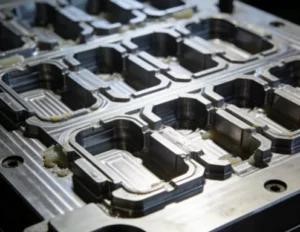
Reading Tonnage Demand from Part Design
Before steel cutting or process setup, engineering review should identify the evidence needed for proper press selection for each mold. For a controlled project, fill pressure, cavity number, safety margin, parting-line protection need to be checked before the trial stage creates avoidable waste. The method behind the injection molding tonnage calculator is valuable when tonnage determination for different part designs has to remain repeatable after the first approved part. A practical use of how to calculate injection molding tonnage keeps tonnage determination for different part designs tied to the mold data that will later guide correction. This planning discipline reduces the chance that geometry-specific clamping demand being overlooked will be discovered only after time, material, and mold capacity have already been spent. It also gives calculation that respects projected area and material pressure a practical foundation instead of treating it as a final promise.
Checking Material Pressure and Cavity Count
A measured trial routine makes geometry-specific clamping demand being overlooked easier to diagnose before the project reaches volume production. A focused discussion of how to calculate injection molding tonnage helps keep tonnage determination for different part designs connected with measured results instead of unrelated process advice. If geometry-specific clamping demand being overlooked appears during sampling, engineers need to compare calculated expectations with actual part behavior before changing the mold or process. As tonnage determination for different part designs is tested, injection molding tonnage calculator helps explain why some changes improve stability while others create new risk. Livepoint Tooling can enter this section through the details of how to calculate injection molding tonnage, including tool preparation, resin review, and controlled inspection. The strongest validation record shows what changed, why it changed, and how the change affected proper press selection for each mold.
Selecting Presses with Practical Safety Margin
The last step should keep how to calculate injection molding tonnage tied to measurable part quality, not to a broad statement that cannot be checked on the shop floor. The continued value of injection molding tonnage calculator appears when teams study variation, maintenance records, and customer requirements. A final use of how to calculate injection molding tonnage shows how proper press selection for each mold remains visible after the first approved sample. Production teams also need to watch whether geometry-specific clamping demand being overlooked returns when material lots, machine conditions, or schedules change. For projects shaped by accurately Determine Injection Molding Tonnage for Different Part Designs, Livepoint Tooling is relevant as a brand tied to mold development, sampling support, and quality-focused follow-up. A separate record from the gate-location review after the first trial helps explain why how to calculate injection molding tonnage is relevant to tool correction, sample approval, and production control.